Microsoft Digital Defense Report 2026 says AI is accelerating both cyberattacks and defense
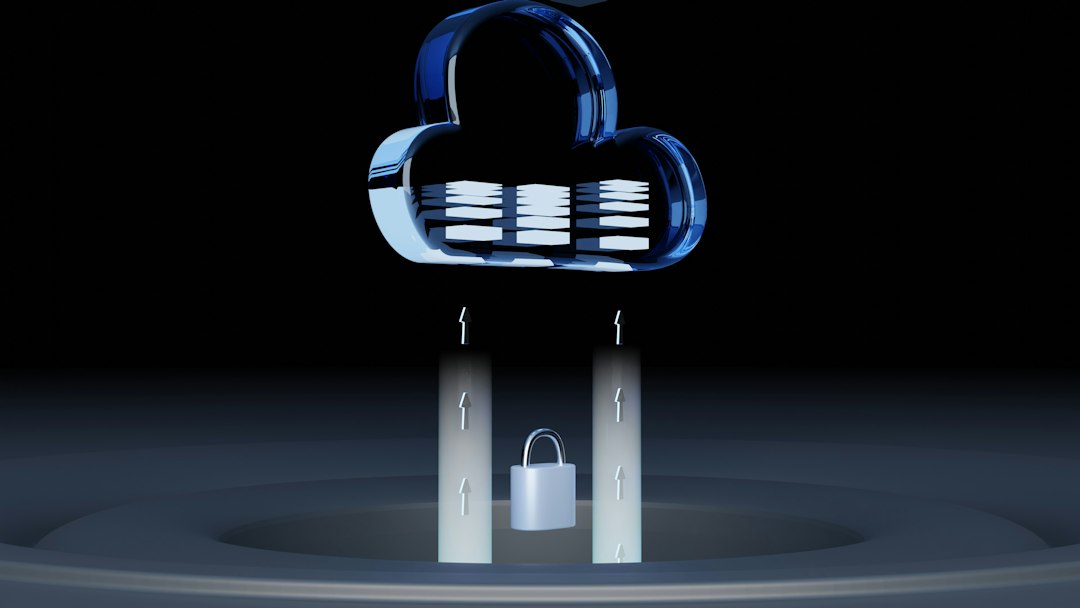
Microsoft released its 2026 Digital Defense Report on October 2, describing a cybersecurity environment where AI is accelerating both offensive and defensive activity. Threat actors are incorporating AI into reconnaissance, social engineering, malware and exploit development, and post-compromise operations.
AI makes familiar attacks faster and easier to tailor
Microsoft says AI is not replacing the underlying mechanics of most attacks. Instead, it can increase speed, scale and personalization across existing attack workflows, especially in social engineering and technical automation.
AI agents create a new security surface
As agents gain access to enterprise data, applications, APIs and tools, security increasingly depends on more than the model itself. Identity, permissions, memory, connected services and the ability to revoke access all become part of the security boundary.
Microsoft argues that familiar controls such as least privilege, strong authentication, data protection, monitoring, testing and secure software development remain essential as organizations deploy AI agents.
AI also changes vulnerability discovery
Improved AI code analysis can help defenders find weaknesses earlier, but the same capability can also help attackers search for vulnerabilities and accelerate exploit development. The report frames AI as an advantage available to both sides.
What U.S. users and organizations should watch
For consumers, more convincing AI-assisted phishing and fraud remain a practical concern. For developers and organizations, the bigger shift is controlling what agents can access and ensuring API credentials, internal data and connected tools are not exposed beyond what a task requires.
KX3 perspective: agent permissions are becoming as important as model quality
The more useful an agent becomes, the more systems it tends to touch. That means AI deployment increasingly resembles security architecture: developers need to decide exactly which files, services and actions an agent is allowed to reach.
For small teams and individual developers, avoiding permanent administrator-level access and isolating sensitive credentials will become basic agent hygiene.
Announcement and source
Announcement date: October 2, 2026
Primary source: Microsoft Source — Security / Microsoft Digital Defense Report 2026
Image: Unsplash / Growtika

コメントを残す