OpenAI DevDay 2026 brings Dots, GPT-6.1 Sol, computer-use Agents API and a broader plugin platform
OpenAI announced more than 20 updates at DevDay 2026, including always-on Dots agents, GPT-6.1 Sol, computer use in the Agents API, expanded Codex capabilities and a more open ChatGPT plugin platform.
KX3 News — U.S. / Global Edition
OpenAI used DevDay 2026 on September 29 to announce more than 20 updates across ChatGPT, Codex, its models and developer platform. The common theme is a move from AI that responds on demand toward agents that can hold ongoing responsibilities and operate tools on a user’s behalf.
Dots are always-on agents
Dots are persistent agents designed to learn what matters to a user and keep working over time. They are available on Pro and Business Premium in eligible markets, while Enterprise, Edu and Healthcare organizations can try the beta when administrators enable it.
GPT-6.1 Sol expands agentic coding and professional work
GPT-6.1 Sol is a major upgrade to GPT-6 Sol with stronger agentic coding, computer use and professional-work performance. OpenAI says it is available through the API and to Plus, Pro, Business, Enterprise and Edu users.
Agents API gets computer use
The Agents API now supports computer use, allowing developers to build agents that interact with software to complete tasks. It also brings multi-agent capabilities from Codex, tool search, tool calling and context compaction into applications.
Codex and plugins become broader platforms
Codex can now run in reusable cloud environments, while the CLI gains voice control and improved multi-agent task management. OpenAI also announced Codex Security Cloud for repository scanning and remediation. On the ChatGPT side, plugin extensions can occupy persistent sidebar space, render interactive panels and participate in event-driven automations through MCP Events.
What it means for U.S. developers
Availability varies by product and plan, but the platform is becoming more integrated: models, agents, coding environments, plugins and recurring automations can increasingly work together inside the same ecosystem. Developers can build more capable products without assembling every layer of agent infrastructure themselves.
KX3 perspective
The most important signal is that the competitive unit is no longer just the model. Useful AI systems increasingly depend on permissions, tool execution, persistent context, multi-agent coordination and recoverable automation. That architecture also matters for smaller local and hybrid AI systems, even when the underlying model is much smaller.
Primary source: OpenAI DevDay 2026 Recap
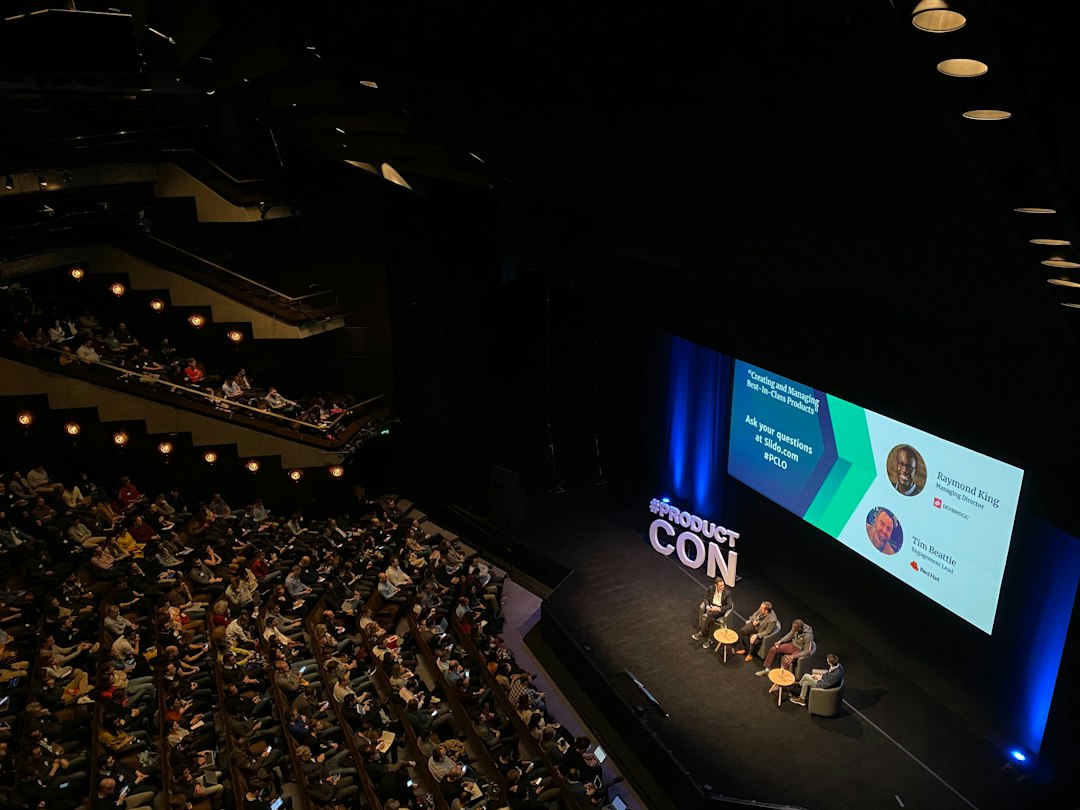
Featured image: Photo by Product School / Unsplash.

コメントを残す